
Château de Miremont: a family heritage reinvented in Belgium
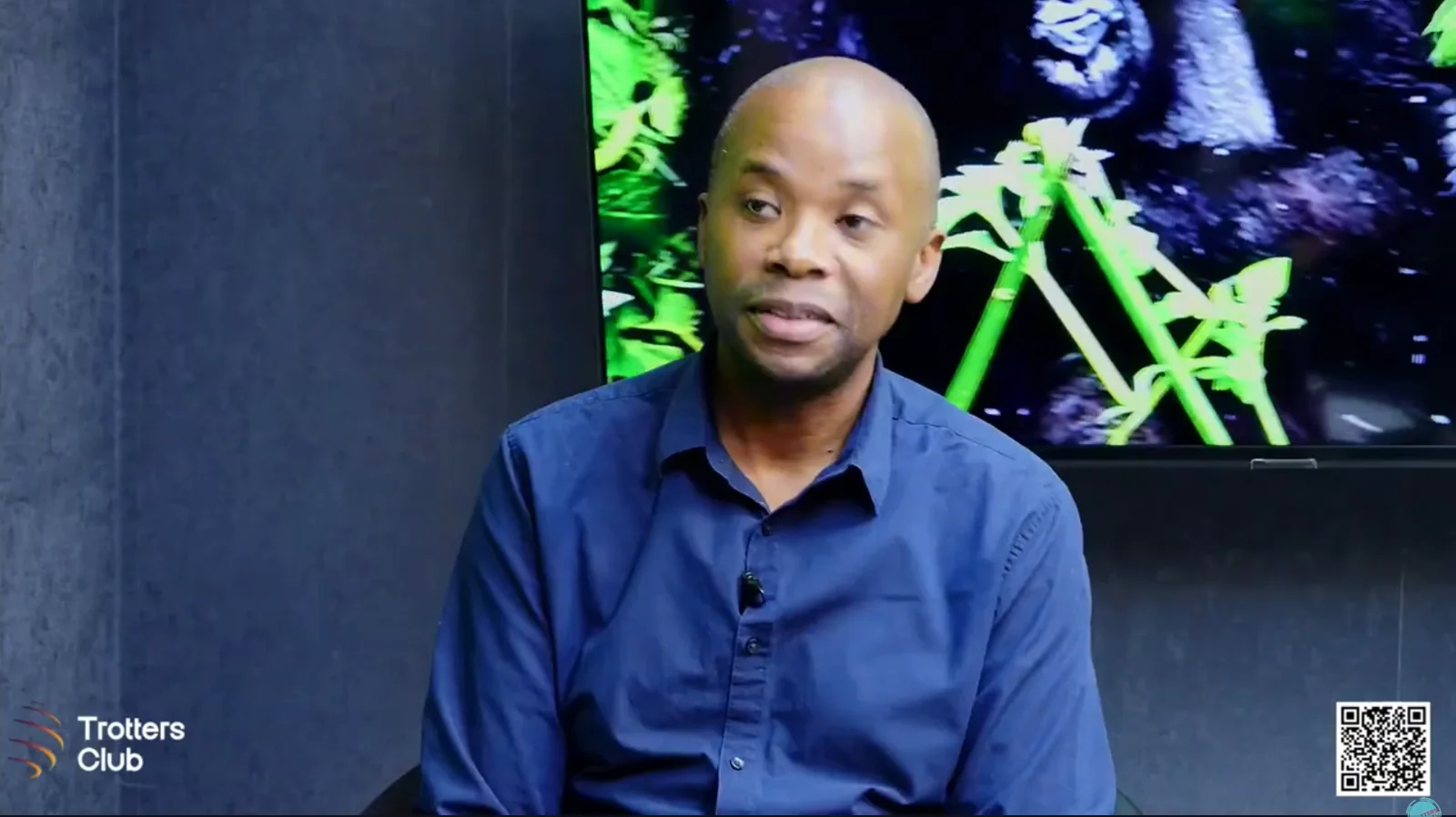
What if castles could also become places to imagine the future? In Belgium, Château de Miremont is home to a project bringing together heritage, gastronomy and international encounters. For Miremont TV, journalist Mareva Di Dio met Charles-Antoine Paternostre de La Mairieu, who shares the story of this family venture and its vision for new ways to bring the property to life.
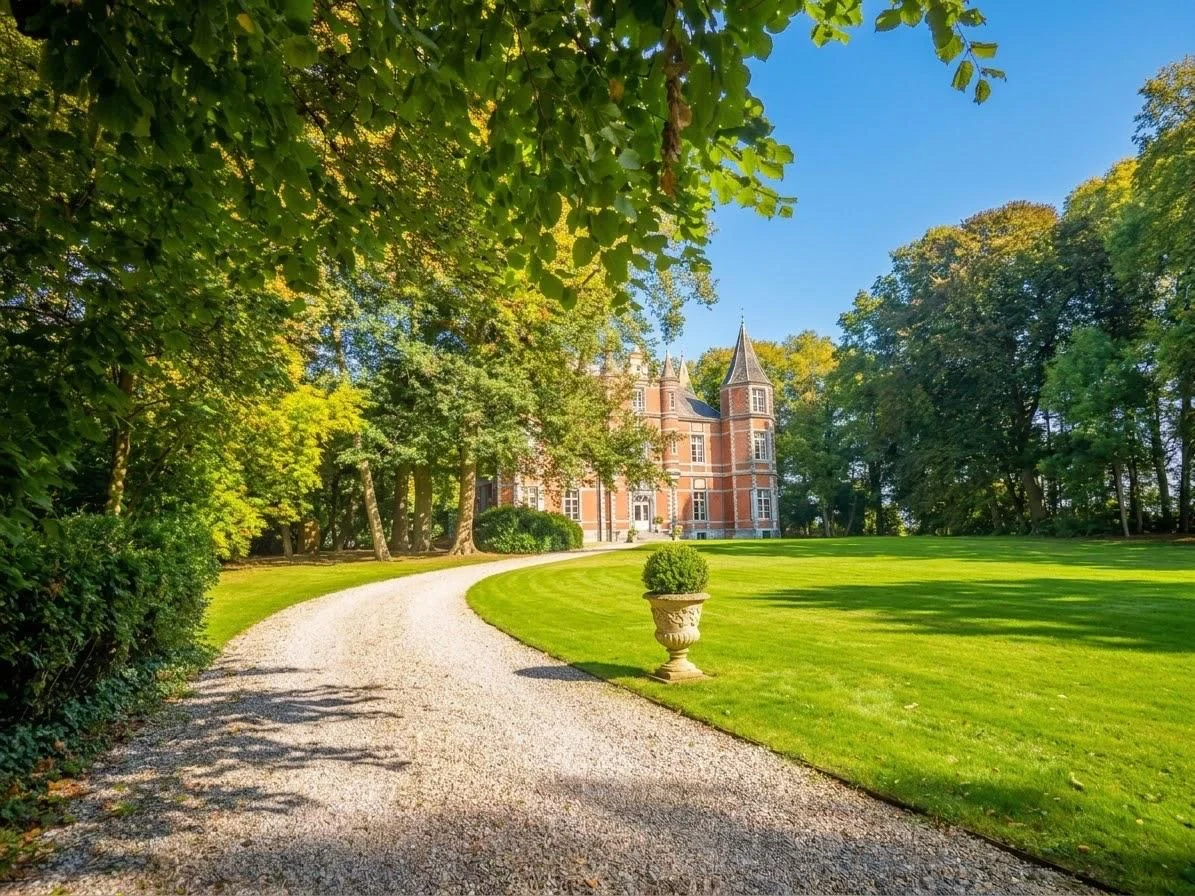
At Château de Miremont, a family story continues through a project bringing together gastronomy, learning and encounters.
Behind the walls, a story continues
A historic château can impress through its architecture. But its life also comes from the stories it holds and the projects taking shape within it.
At Château de Miremont, that story spans several generations. According to Charles-Antoine Paternostre de La Mairieu, construction was completed in 1853, commissioned by an ancestor on his mother’s side. The property was then passed down through the generations, including to his grandmother and later his mother.
Taking over the château with his brother was a deeply personal commitment. Before his death, their father had asked him to uphold the family traditions. That wish guided their decision, despite the difficulties encountered during the inheritance process.
Preserving this legacy now means finding a place for it in contemporary life. That is the purpose of the project presented to Mareva Di Dio.
Bringing heritage to life through encounters
The originality of the approach lies in bringing together three worlds: gastronomy, an international business centre and an academy.
This combination might seem unexpected in a family château. Yet it developed gradually through experiences and encounters. Rather than a concept conceived all at once, Charles-Antoine describes a project shaped by the people who have joined it and the expertise they want to share.
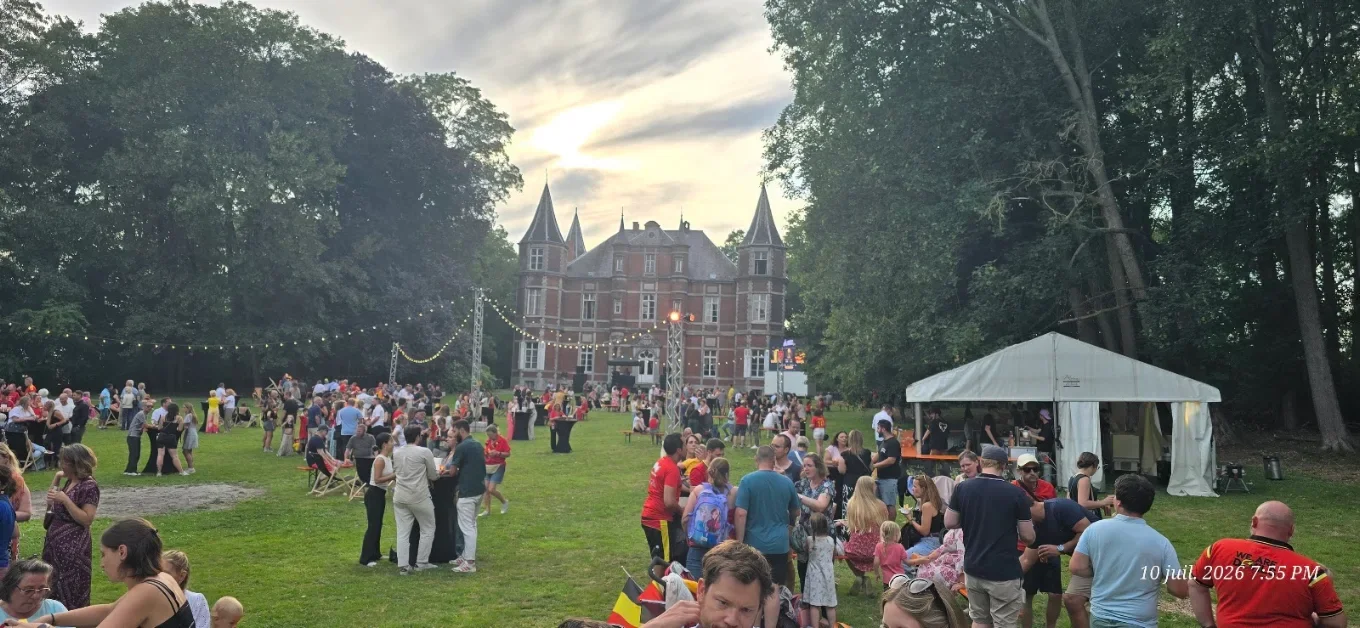
The historic property thus becomes a setting for new activities: gathering around a table, passing on skills, exchanging ideas or building professional relationships.
Here, innovation lies in how the property is used and brought to life. The château preserves its history while opening itself to new conversations.
Gastronomy: pleasure and the sharing of knowledge
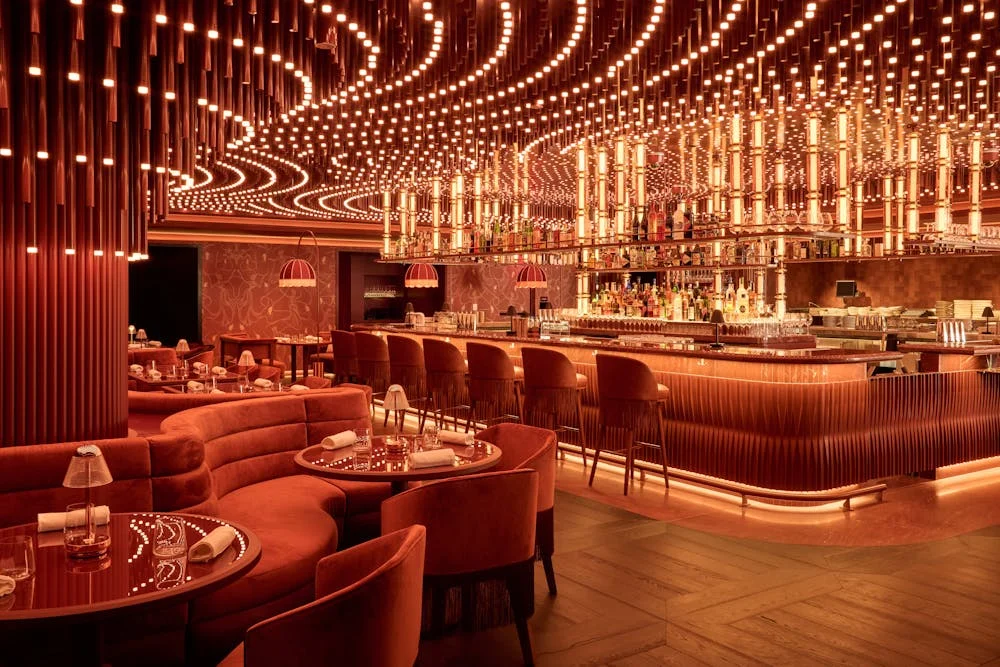
Gastronomy holds a special place in this venture. It reflects the ambition to make the château a place of discovery and exchange, where the pleasure of dining meets the sharing of culinary skills.
Discovering a gesture, understanding a technique or discussing an ingredient: each offers a way to explore food beyond tasting and build connections in a setting steeped in history.
The pleasure of dining is therefore accompanied by a desire to share knowledge. Discovering a gesture, understanding a technique or talking with a chef offers a way to experience gastronomy beyond tasting alone.
This educational dimension gives meaning to the academy envisioned within the project. Other encounters, involving wellbeing and finance, have also helped broaden the thinking around the activities to bring together on the estate.
For curious visitors, the appeal lies in this combination: discovering a historic place through the skills and people giving it fresh energy.
A château open to the world
The international business centre also builds on a history of encounters. Having travelled extensively, Charles-Antoine wanted to bring his networks together on the estate and create opportunities for exchange.
During the interview, he mentions plans to welcome around twenty Indian businessmen, some of whom had already visited the property.
Across the project, he explains that 22 people are involved in the business centre, gastronomy and academy activities.
Behind this international outlook lies an ambition: to make the château a lively meeting place, where the historic setting supports exchanges and encourages new connections.
Domes for a pop-up experience
Among the ideas revealed, one proposal particularly catches the imagination: a pop-up restaurant beneath domes, accompanied by a lighting installation and an exhibition.
Discussed for December at the time of the interview, the event would combine a gastronomic experience with an opportunity to discover the property in a different atmosphere.
The contrast is intriguing: contemporary installations in the grounds of a historic château, a temporary dining experience and a visit enriched by lighting and an exhibition.
However, the project was still to be confirmed when filming took place. Dates, admission arrangements and booking options should be checked with the organisers before planning a visit.
Another way to discover historic places
Château de Miremont raises a question that extends beyond its walls: how can heritage be passed on while being allowed to evolve?
The answer presented here lies in new uses and human connections. A training course, an international gathering or a gastronomic event can each become a way to continue the family story.
For travellers, this approach offers an appealing prospect: discovering a château through what is taking shape there today, as well as through its past.
A place whose story continues to unfold through the people who meet there.
*Reporting and interview: Mareva Di Dio for Miremont TV.*
*The projects and events mentioned reflect the intentions expressed during the interview. Their scheduling and admission arrangements remain subject to confirmation with Château de Miremont.*
---
Culture 360°: discover talent and craftsmanship with Angélique Lux-Galiffi
Les Belles Adresses: Trotters TV introduces you to places worth discovering